Audible vs Scribd: A Head-to-Head Comparison
Audible is the better choice for most audiobook listeners. It offers a massive library of new releases, bestsellers, and exclusive content that you own forever. Scribd operates like a digital library, providing access to a broad collection of audiobooks, ebooks, and magazines for a monthly fee, but you never own the content, and its catalog of new audiobooks is less robust.
The core difference between the two services is the consumption model. Audible focuses on ownership. You use a monthly credit to purchase any audiobook in the premium catalog, regardless of its list price, and it remains in your library even if you cancel your membership. Scribd is a rental service. You pay a monthly fee for access to its collection, but if you stop paying, your access disappears. This fundamental distinction shapes the entire user experience and determines which service offers better value for your listening habits.
Key Differences: Audible vs Scribd at a Glance
Understanding the primary distinctions helps clarify which platform aligns with your needs. Here is a breakdown of the most important features.
| Feature | Audible | Scribd |
|---|---|---|
| Model | Ownership (Credit-based purchases) | Rental (Subscription library) |
| Audiobook Catalog | Largest available, includes new releases and exclusives | Large, but fewer new releases and bestsellers |
| Additional Content | Audible Plus Catalog (thousands of included titles and podcasts) | Ebooks, magazines, documents, sheet music |
| Listening Limits | 1 premium credit per month (on standard plan), unlimited listening from Plus Catalog | Technically unlimited, but heavy use can lead to temporary content restrictions |
| Content Access | Purchased audiobooks are yours to keep forever | Access ends when subscription is cancelled |
Audible's Strength: The Definitive Audiobook Library
Audible's primary advantage is its catalog. As an Amazon company, it has the resources and industry relationships to secure nearly every audiobook that gets published. This includes day-one access to major bestsellers from top authors and publishers. Audible Originals are high-production audio dramas, nonfiction series, and books you cannot find anywhere else. These often feature well known actors and authors, adding significant value to the platform. For many listeners, access to a specific Audible Original is reason enough to subscribe.
The credit system, while sometimes perceived as limiting, provides clear value. One credit equals one book, which you own. This is especially beneficial for new, expensive hardcovers that might cost much more to purchase individually. You build a permanent digital library of your favorite titles. The addition of the Audible Plus catalog also gives members unlimited access to thousands of older audiobooks, podcasts, and originals at no extra cost, blending the ownership model with a library-style benefit. This addresses the desire for more listening material without using a precious credit.
How Audible Works: Credits, Plans, and What You Actually PayScribd's Appeal: The All-in-One Digital Buffet
Scribd’s proposition is different. It aims to be a single subscription for all your reading needs. For one monthly fee, you get access to audiobooks, ebooks, magazines from major publications, and even user-uploaded documents. For someone who reads across multiple formats, the value is undeniable. You could listen to an audiobook during your commute, read an ebook in the evening, and browse a digital magazine on the weekend, all within one app.
The main caveat, often discussed in `scribd vs audible reddit` threads, is the listening model. While marketed as unlimited, Scribd employs an algorithm that may temporarily restrict your access to newer or more popular titles if you consume a lot of content in a short period. Your library might show certain books as being 'Available Soon' until your next billing cycle. This throttling system prevents a small number of users from consuming a disproportionate amount of content, but it can be frustrating for power users who expect true unlimited access. If you want to listen to the latest fantasy epic, a new biography captivating readers, or a thriller everyone is talking about, Audible is your destination. Its catalog is comprehensive and current.
Scribd's audiobook catalog is still very large, but it shines more with backlist titles. You can find many popular books that are a few years old. However, you will often wait months, if not longer, for a new blockbuster to appear on the service, and some may never arrive. For listeners who are happy exploring slightly older titles and care less about being on the cutting edge, Scribd's library is more than sufficient.
Example: A Blockbuster Fantasy Series
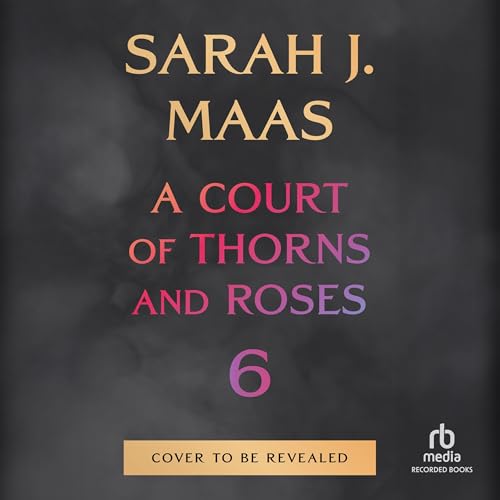
A title like Sarah J. Maas's A Court of Thorns and Roses illustrates Audible's catalog dominance. This hugely popular fantasy romance has drawn millions of listeners, and Audible is the primary platform to purchase and own it. Its availability and prominence on the platform highlight Audible's role as the go to source for the biggest books in audio. The narration by Jennifer Ikeda brings the world to life, making it a quintessential example of a premium audiobook experience that listeners seek out specifically.
Example: Foundational Nonfiction
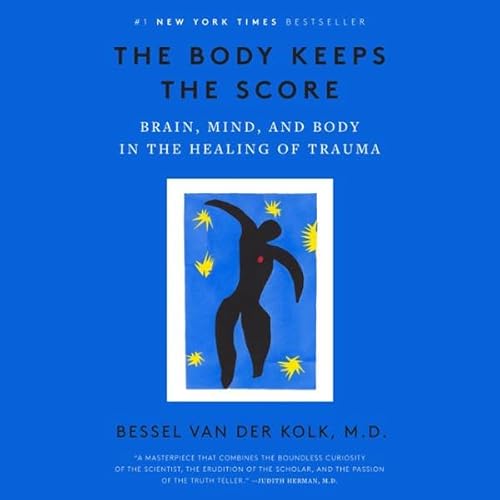
Audible also excels in its nonfiction depth. The Body Keeps the Score by Bessel van der Kolk is a critical work in the field of trauma and psychology. It's a dense, informative book that benefits greatly from the audiobook format, narrated clearly by Sean Pratt. Listeners seeking to build a library of important, foundational texts in science, history, or self-development will find Audible's ownership model ideal. You purchase it once and can refer back to it for years.
Example: Legendary Narration Performance
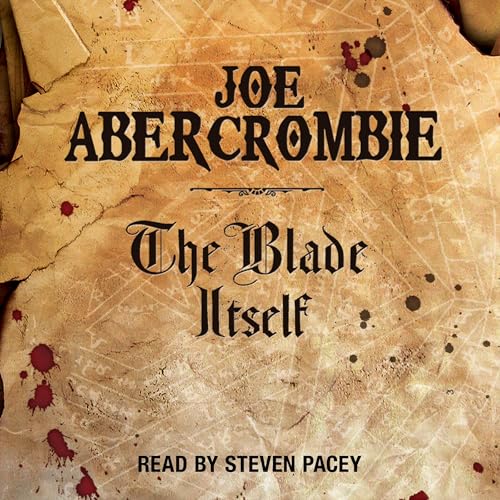
Sometimes, the narrator makes the audiobook. Joe Abercrombie's The Blade Itself is a modern fantasy classic, but Steven Pacey's narration is considered by many to be one of the greatest performances in the industry. He gives each character a unique and memorable voice, elevating the source material to a new level. This type of definitive audio experience is what makes Audible's credit system so valuable. You are not just buying a book, you are acquiring a remarkable performance you can enjoy again and again.
Which Service Is Right For You?
The best choice depends entirely on your listening and reading habits.
Choose Audible if:
- You want to own your audiobooks. Building a permanent library that you can access forever, even without a subscription, is important to you.
- You listen to new releases and bestsellers. You want access to the biggest books as soon as they are available in audio format.
- You value exclusive content. Access to Audible Originals and exclusive narration performances is a major draw.
- You listen to 1-3 audiobooks per month. The credit system is a cost effective way to acquire premium audiobooks at this pace.
Choose Scribd if:
- You are a voracious consumer of content. You listen to many audiobooks and also read ebooks and magazines each month.
- You are budget-conscious. The single monthly fee for access to a massive library across different media types offers excellent financial value.
- You don't need the newest bestsellers immediately. You are happy to listen to titles from the backlist and wait for newer books to arrive.
- You understand the rental model. You are comfortable with losing access to your library if you cancel your subscription.
Ultimately, the audible vs audiobooks vs scribd question comes down to ownership versus access. Audible sells you a product, Scribd sells you a key to a library.