The way people consume books has diversified significantly, moving beyond printed pages to include narrated audio versions. Choosing between listening to an audiobook on Audible and engaging with a physical or digital text involves weighing different benefits. For many, the flexibility and immersive quality of Audible narration make it the better option, particularly for those with busy schedules or who seek a different kind of engagement with stories.
The Core Differences: Audible Narration vs. Traditional Reading
Both reading and listening offer unique pathways into a story or subject. Each method engages different parts of the brain and fits into different daily routines. Understanding these fundamental distinctions helps in deciding which format aligns best with your personal learning style and lifestyle.
Engagement and Immersion
Audible narration brings stories to life through the art of performance. A skilled narrator can infuse characters with distinct voices, convey emotional nuances, and control the story's pace, creating a highly immersive experience. This vocal performance can draw listeners deeper into the narrative, almost like a play unfolding in their minds. For many, the human voice adds a layer of artistry that traditional reading, by its nature, cannot replicate.
Traditional reading, on the other hand, relies solely on the reader's internal voice and imagination. While this allows for personal interpretation of characters and scenes, it lacks the immediate, external auditory stimulation of a narrator. The immersion comes from the reader's active construction of the world and voices within their mind.
Convenience and Multitasking
One of the most compelling advantages of Audible narration is its convenience. Audiobooks can be consumed while driving, exercising, doing chores, or performing other tasks that do not require visual focus. This ability to multitask allows individuals to fit more reading into their busy lives, transforming otherwise unproductive time into an opportunity for learning or entertainment. The portability of audiobooks, accessible via smartphone apps, makes them a constant companion.
Traditional reading, whether with a physical book or an e-reader, demands visual attention. It typically requires dedicated time and a stationary position. While some forms of reading can be done on the go, like on a train or during a break, it inherently limits simultaneous activities. This focused attention can be a benefit for deep concentration but a drawback for those with limited free time.
Comprehension and Retention
The impact on comprehension and retention varies among individuals. Some listeners find that a narrator's clear articulation and pacing help them follow complex narratives or arguments more effectively, especially with non-native accents or difficult vocabulary. The auditory input can reinforce understanding, particularly when the narrator uses inflection to highlight key points.
Conversely, many studies suggest that traditional reading can lead to better recall and deeper understanding for certain types of content, especially complex non-fiction or academic texts. The ability to pause, reread sentences, highlight passages, and make notes is a significant advantage for analytical engagement. Readers can control their pace precisely, slowing down for challenging concepts and speeding up through familiar sections.
Pacing and Control
With traditional reading, the pace is entirely in the reader's hands. You can skim, reread a paragraph multiple times, or stop to reflect on a sentence. This granular control is invaluable for understanding nuanced arguments or appreciating intricate prose. It allows for a highly personalized and adaptive reading speed.
Audible offers speed controls, allowing listeners to increase or decrease the narration speed. While this provides some flexibility, it does not offer the same level of immediate, precise control as visual reading. Pausing and rewinding are possible, but they break the flow of the narration more overtly than simply re-scanning a line of text.
Cost and Ownership
The financial aspect of books also differs. While Audible offers various membership plans, credits, and sales, the purchase of an audiobook typically grants a digital license. This means you own the right to listen to it within the Audible ecosystem. Physical books, once purchased, are yours to keep, lend, or resell. E-books often fall somewhere in between, offering digital ownership with fewer physical constraints than print.
Physicality and Sensory Experience
For many, the tactile experience of a physical book is part of its appeal. The weight of the pages, the smell of the paper, and the visual aesthetics of the cover contribute to a sensory ritual. This physical connection to a book is entirely absent with audiobooks, which are intangible digital files. While e-readers simulate some aspects of a book, they also lack the distinct feel of paper.
Key Differences at a Glance: Comparison Table
| Feature | Audible Narration | Traditional Reading |
|---|---|---|
| Engagement Type | Auditory, immersive performance | Visual, imaginative self-narration |
| Multitasking Ability | High (driving, chores, exercise) | Low (requires visual focus) |
| Pacing Control | Adjustable playback speed | Full, granular control (scan, reread) |
| Comprehension Aids | Narrator's inflection, tone | Highlighting, note-taking, rereading |
| Physicality | Digital, no physical object | Tactile (physical book), visual (e-reader) |
| Accessibility | Excellent for visual impairment, dyslexia | Requires strong visual acuity |
When Audible Narration Shines Brightest
Audible narration is a clear winner in several scenarios. Commuters often find audiobooks transform their daily travel into an enriching experience. Exercise enthusiasts can enjoy stories without breaking their stride. For individuals with visual impairments, dyslexia, or other reading challenges, audiobooks provide a vital pathway to literature and information. A talented narrator can elevate a good story into an unforgettable experience. This is especially true for character-driven novels where distinct voices enhance the narrative depth. Many listeners appreciate the feeling of being read to, a comfort that harks back to childhood storytelling.
Pride and Prejudice (Best Overall for Immersive Narration)
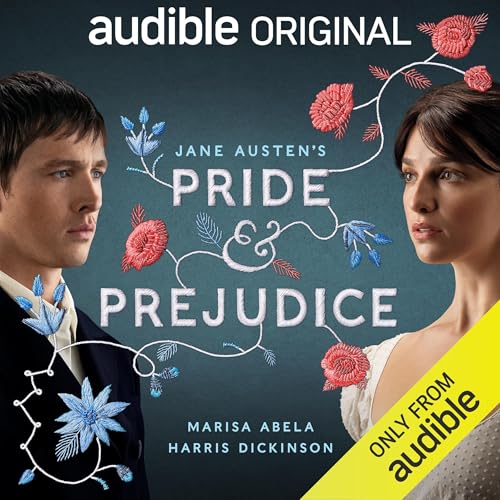
Jane Austen's classic novel comes alive through its audiobook narration. The witty dialogue and subtle social commentary are expertly delivered, enhancing the humor and emotional depth of Elizabeth Bennet's journey and her complex relationship with Mr. Darcy. The vocal performances help distinguish the large cast of characters, making it easy to follow the intricate social dances of Regency England. This format adds a layer of charm and accessibility to a beloved literary work, allowing listeners to fully immerse themselves in Austen's world without the potential challenge of period language when reading visually.
Jane Eyre
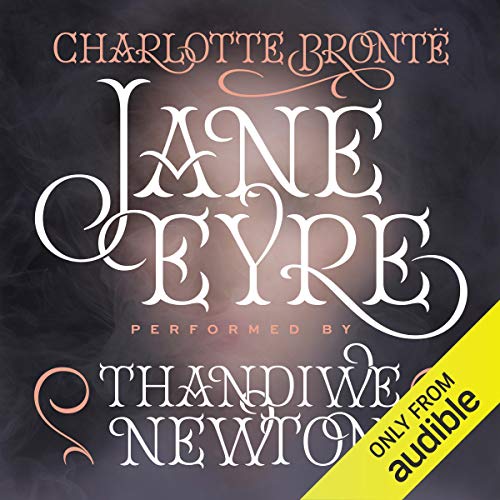
Charlotte Brontë's gothic masterpiece gains significant power through skilled narration. The internal monologue of Jane Eyre, her resilience, and her profound emotional experiences are conveyed with striking intensity by a talented voice artist. The audiobook format allows the listener to experience the story's rich atmosphere and dramatic tension directly, making Jane's struggles and triumphs particularly poignant. The descriptive language and psychological depth of the novel benefit greatly from a performance that captures its essence.
When Traditional Reading is the Preferred Path
Traditional reading holds its own ground for specific purposes. For academic study, complex non-fiction, or technical manuals, the ability to stop, reread, annotate, and visually scan text is invaluable. Readers can process information at their own pace, ensuring thorough understanding before moving on. This method is also preferred by those who enjoy the visual aesthetics of typography, book design, or the simple pleasure of holding a physical object.
When a text features intricate prose, dense philosophical arguments, or requires careful analysis of word choice, reading allows for a deeper, more deliberate engagement. Poets, literary critics, and researchers often find that the visual medium offers the precision needed to dissect and appreciate the text at a microscopic level. For some, the quiet, solitary act of reading provides a unique meditative experience.
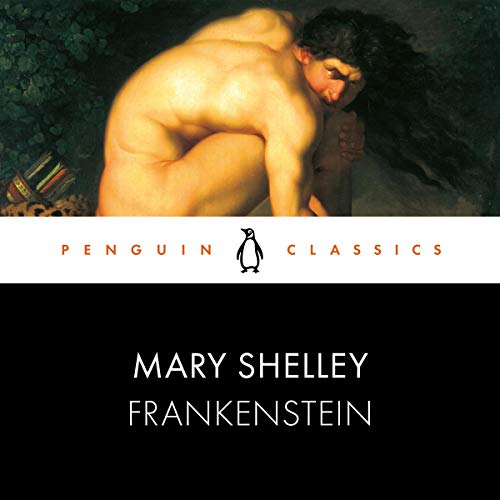
Frankenstein
Mary Shelley's foundational work of science fiction and horror, Frankenstein, offers a profound experience through traditional reading. The novel's complex themes of creation, responsibility, and the nature of humanity demand careful consideration. Reading allows you to pause and reflect on Victor Frankenstein's moral dilemmas and the creature's philosophical questions, engaging deeply with Shelley's nuanced prose and the epistolary structure. While excellent narrations exist, the deliberate pace of reading can aid in dissecting the ethical arguments and the intricate psychological portraits presented in the text.
Blending Both Worlds: The Hybrid Approach
Many modern book enthusiasts do not limit themselves to one format. This flexibility combines the best of both worlds, enabling deep reading when convenient and effortless listening during commutes or chores.
This approach is particularly beneficial for students or those tackling challenging material. They might read a chapter to grasp complex concepts, then switch to listening for review or during travel. It also helps maintain engagement with longer books, offering variety in how the story is consumed. Understanding how Audible works, including its credit system and various plans, can help optimize this blended experience. Learn more about how Audible works.
Choosing Your Best Way to Experience a Story
The decision between Audible narration and traditional reading is ultimately personal. Consider your lifestyle, your learning preferences, and the type of content you are consuming. If you seek convenience, multitasking capabilities, and a performance-driven experience, Audible audiobooks are likely your best fit. They excel for long commutes, physical activities, and engaging with stories in a more passive, yet immersive, way.
If your preference leans towards deep analytical engagement, careful study, or the tactile pleasure of a physical book, then traditional reading will serve you better. It offers complete control over your pace and facilitates detailed interaction with the text. The best method is the one that allows you to enjoy and absorb stories most effectively, enriching your life with knowledge and narratives.
For more insights into Audible's value, explore our article: Is Audible Worth It? An Honest Breakdown of the Membership.